

Equity, diversity and inclusion
Elest Wednesday test
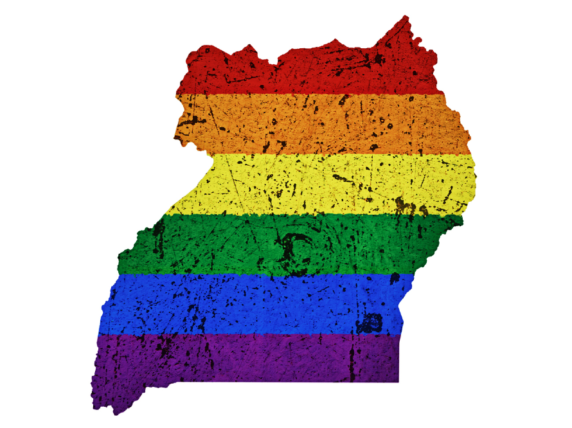
One year later: the ongoing struggle of LGBTQ+ community under the Anti-Homosexuality Act in Uganda
On the one-year anniversary of the implementation of the Anti-Homosexuality Act in Uganda, it is imperative to reflect on the profound impact this legislation has had on the LGBTQ+ community in the country. Edward Mutebi of Let’s Walk Uganda tells us more.
How diversity challenges prejudice and promotes understanding in Scotland
Diversity and inclusion is a powerful force for building understanding and driving sustainable change across Scotland and the whole of the UK. Sarah Sanasi Ogunlade tells us about her organisation’s efforts to increase and champion diversity.

Breaking barriers: How paid internships can transform inclusivity in the international development sector
The Helen Turner International Development Internship is a small step towards building a more accountable and inclusive sector, and should become the norm for international development internships. Internship recipient William Jones tells us all about it.
How do we step up to address the imbalance of power in our organisations?
A reflection on the progress made in the sector in anti-racism, equity, diversity and inclusion over recent times, and what still needs to be done, from our CEO Stephanie Draper.
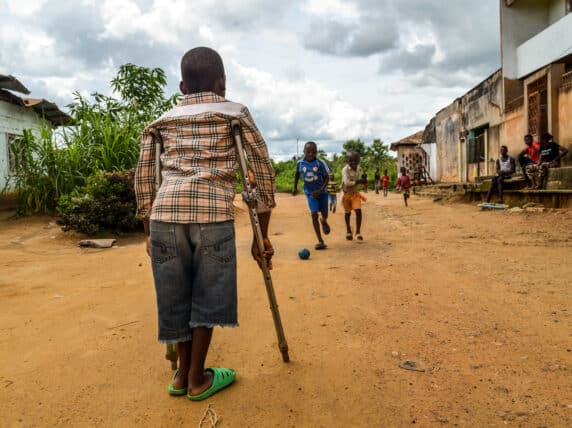
The ‘Missing Children’: Why we urgently need an inclusive approach to education in emergencies
Education in emergencies is essential. The global community must redouble our efforts to ensure inclusive education is prioritised in humanitarian responses.
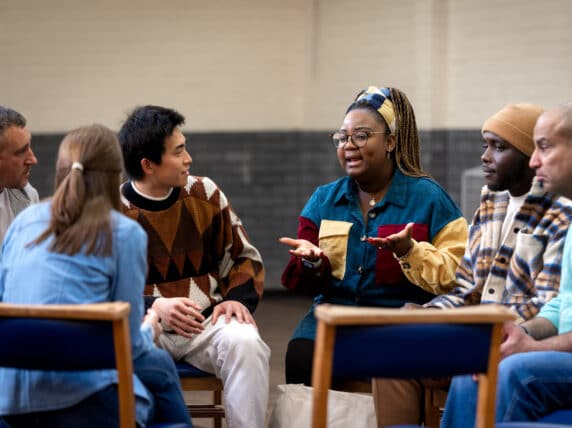
Impact is not equal, but it is equitable
INGOs must work towards more equitable and decolonised monitoring and evaluation frameworks by centring those with lived experience in programme design.
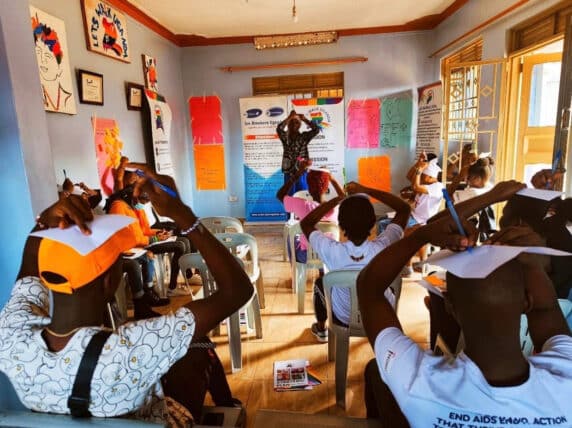
Uganda’s Anti-Homosexuality Law: a call for UK intervention
Uganda’s Anti-Homosexuality Act is a violation of human rights. The UK government and UK INGOs must take action to support LGBTIQ+ Ugandans and condemn this law.